
Believe it or not, chocolate starts with a tree!
The tasty treat before you comes from Theobroma cacao, a tree that originated in the Amazonian rainforest of South America. The Greek name Theobroma translates to “food of the gods.” Humans have loved this heavenly bean for centuries!

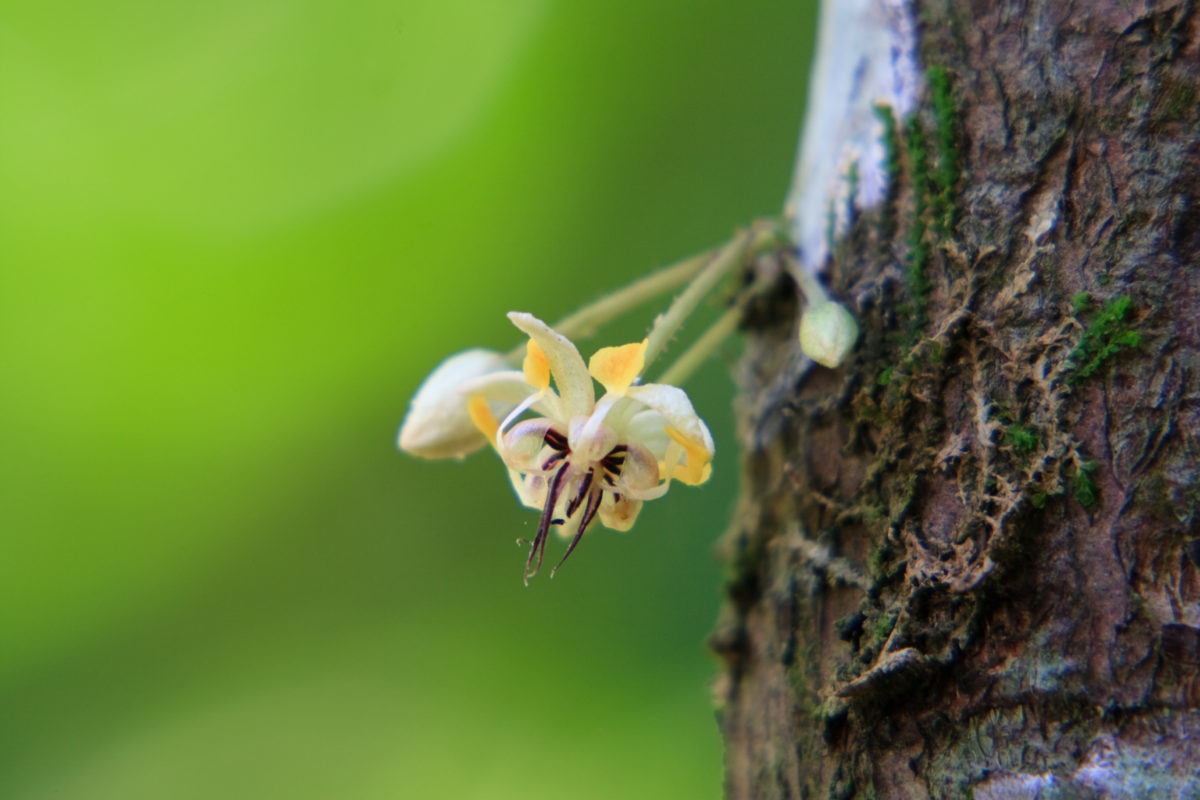
Once a sapling is planted, it takes three to five years for the tree to produce fruit. The fruit first appears as a tiny white flower, then matures into a shoebox-sized pod called a mazorca de cacao.
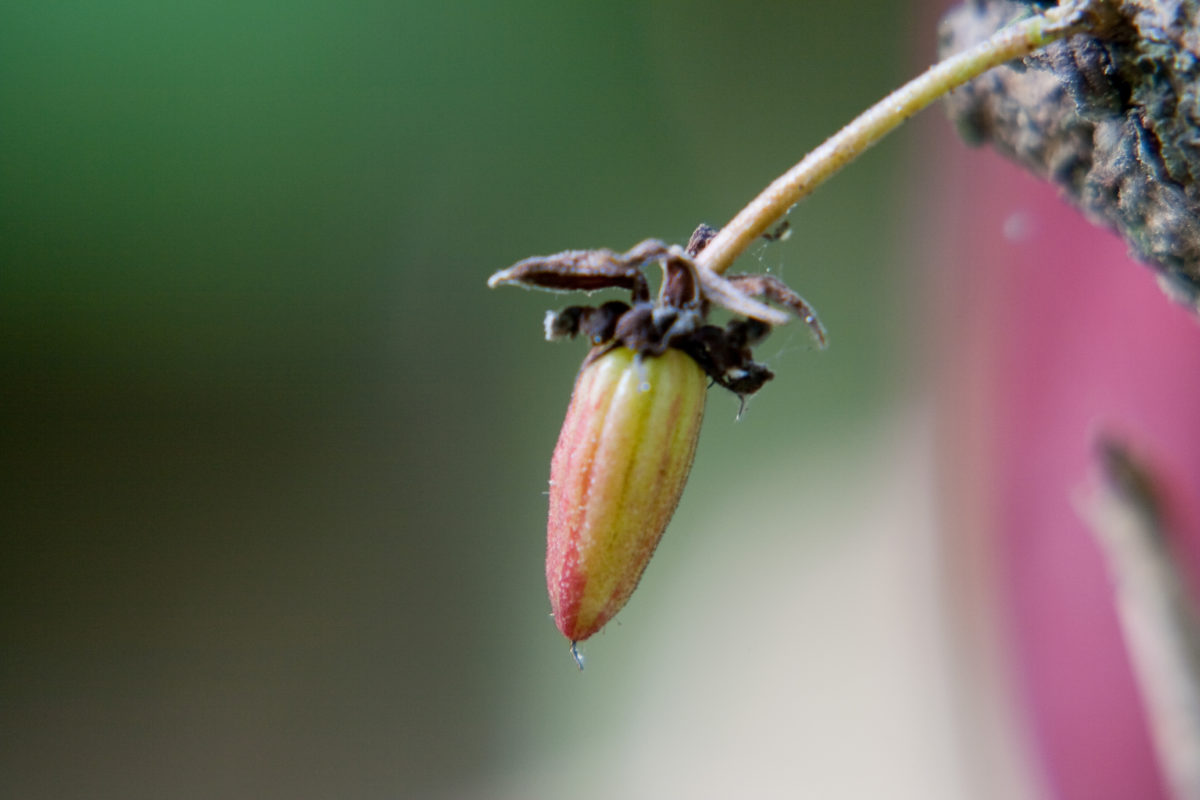
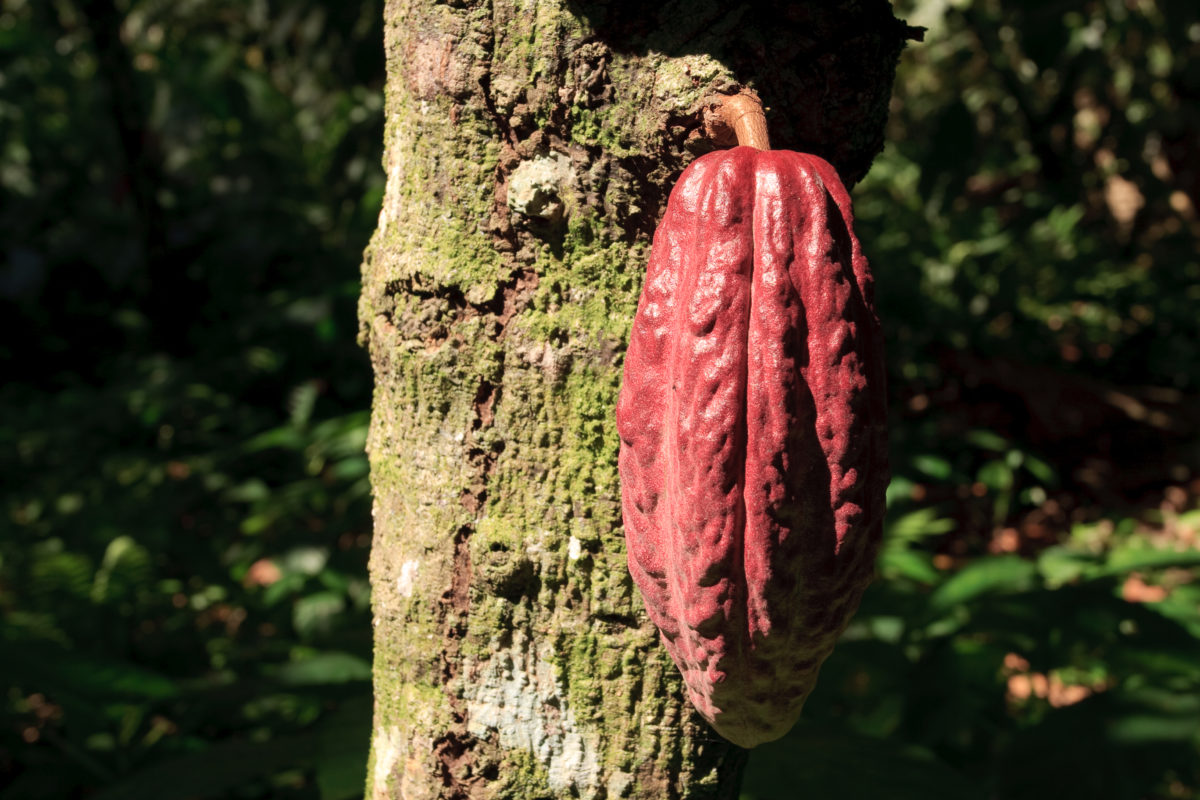
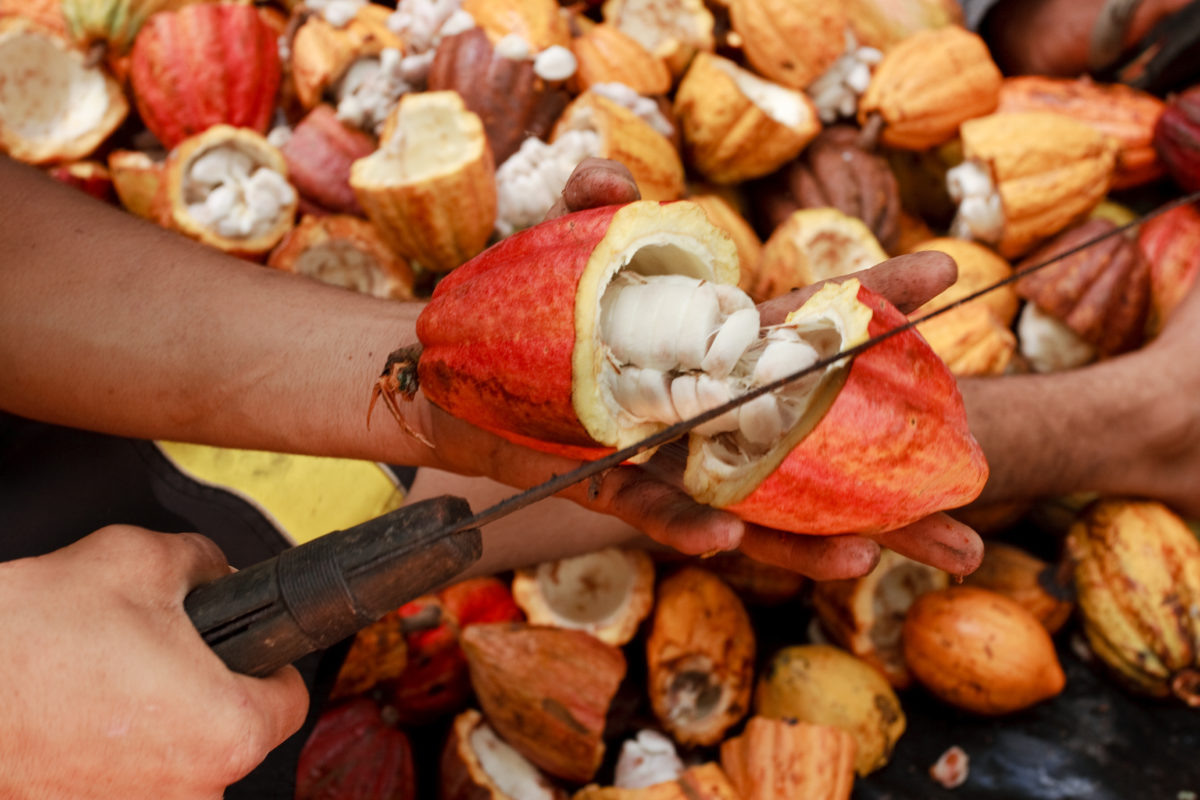
These pods contain a soft, fleshy white fruit wrapped around twenty to forty almond-shaped cacao beans. These are the primary ingredient in chocolate!
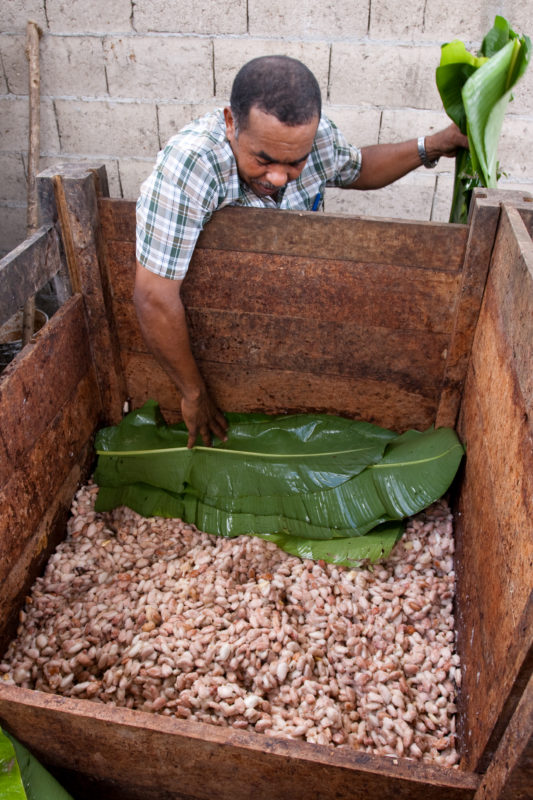
Fermentation, Drying & Roasting Cacao Beans
Now we have cacao beans, but we are still a long ways away from having chocolate!
Growers transfer newly harvested cacao beans to large bins made of wood, cover them with banana leaves, and leave them to ferment for three to five days. This process enhances the flavor of the beans. Without proper fermentation, chocolate won’t retain the fruity, acidic, and bright notes of the cacao fruit.
Next, fermented beans are spread out onto large concrete pads to slowly dry in the sun.
Finally, beans are transported to a factory where they can be cleaned and roasted.
While roasting, low and slow is key!
At Chocolates El Rey, we carefully roast our cacao beans at a low temperature. This may take more time, but it reduces cacao’s bitter flavor. It also helps the beans retain flavonoids, or antioxidant properties, which may reduce risk of cancer, diabetes, and cardiovascular disease.
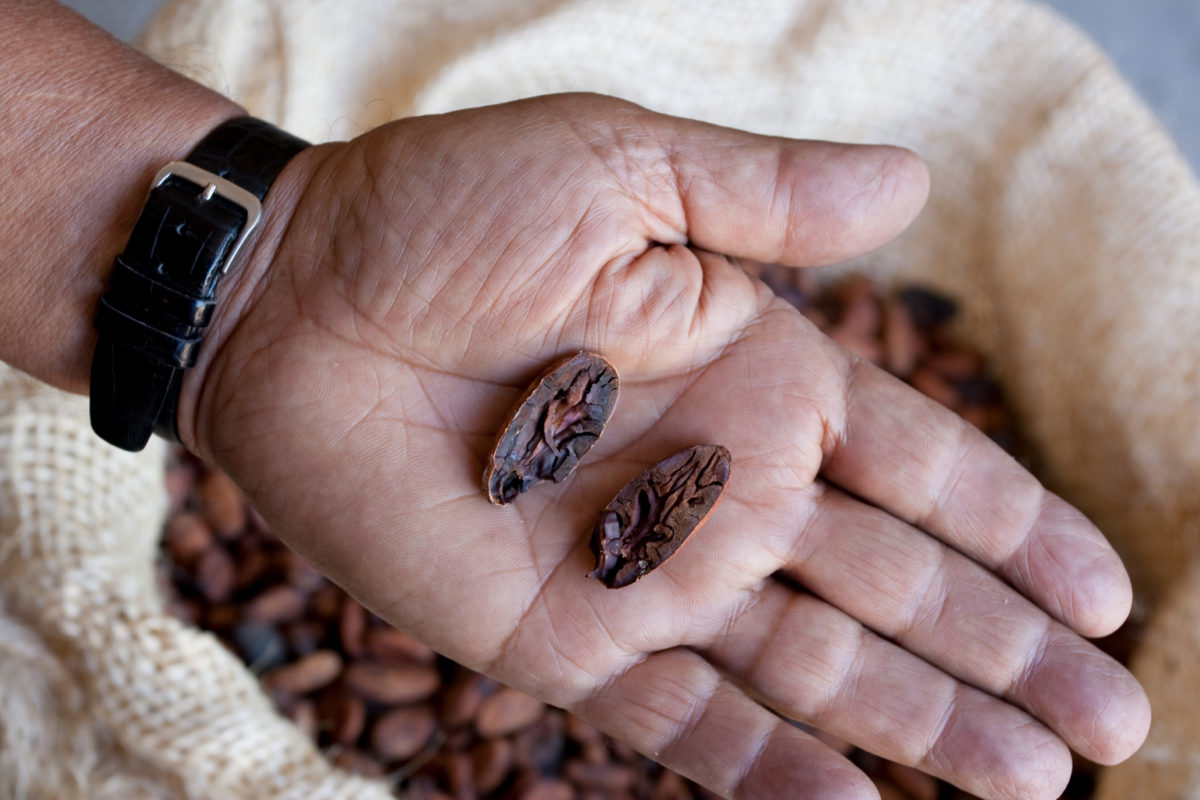
Our delicate, slow roasting makes El Rey chocolate more flavorful AND better for you!
In large scale chocolate manufacturing, which prioritizes efficiency over quality, the health-boosting powers of cacao are largely stripped away in high-temperature roasting.
At Chocolates El Rey, we like being a small, family-run business because we can carefully monitor every step of the chocolate-making process in order to make the best possible product.
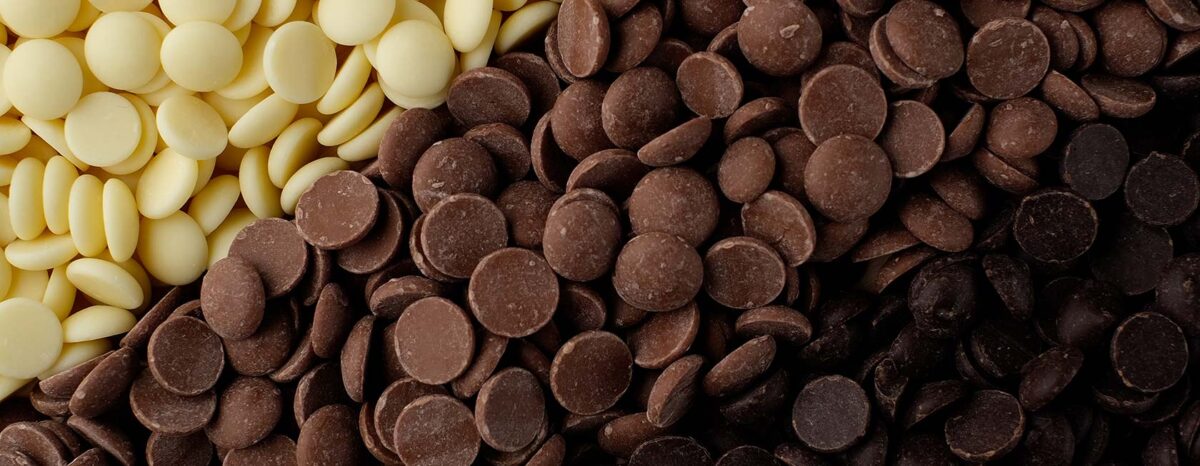
Transforming cacao into chocolate
FINALLY, we are ready to make chocolate! Roasted cacao beans are processed into three principal components: cacao liquor, cocoa butter, and cocoa powder (link to article explaining these 3 ingredients). Along with sugar and milk, these ingredients are mixed in varying ratios to produce dark, milk, and white chocolate.
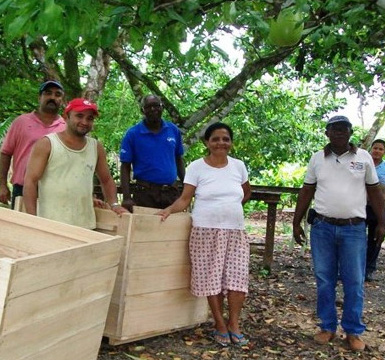
Making chocolate: a complex and labor-intensive process!
As you can see, A LOT of work goes into making chocolate! It’s not as simple as pressing a button on a machine! It requires specialized knowledge, attention to detail, and (for us) a whole lot of love. That’s why at Chocolates El Rey, we take pride in our team. We believe our people are our company’s biggest asset and invest in employee education programs from the fields to the factories.